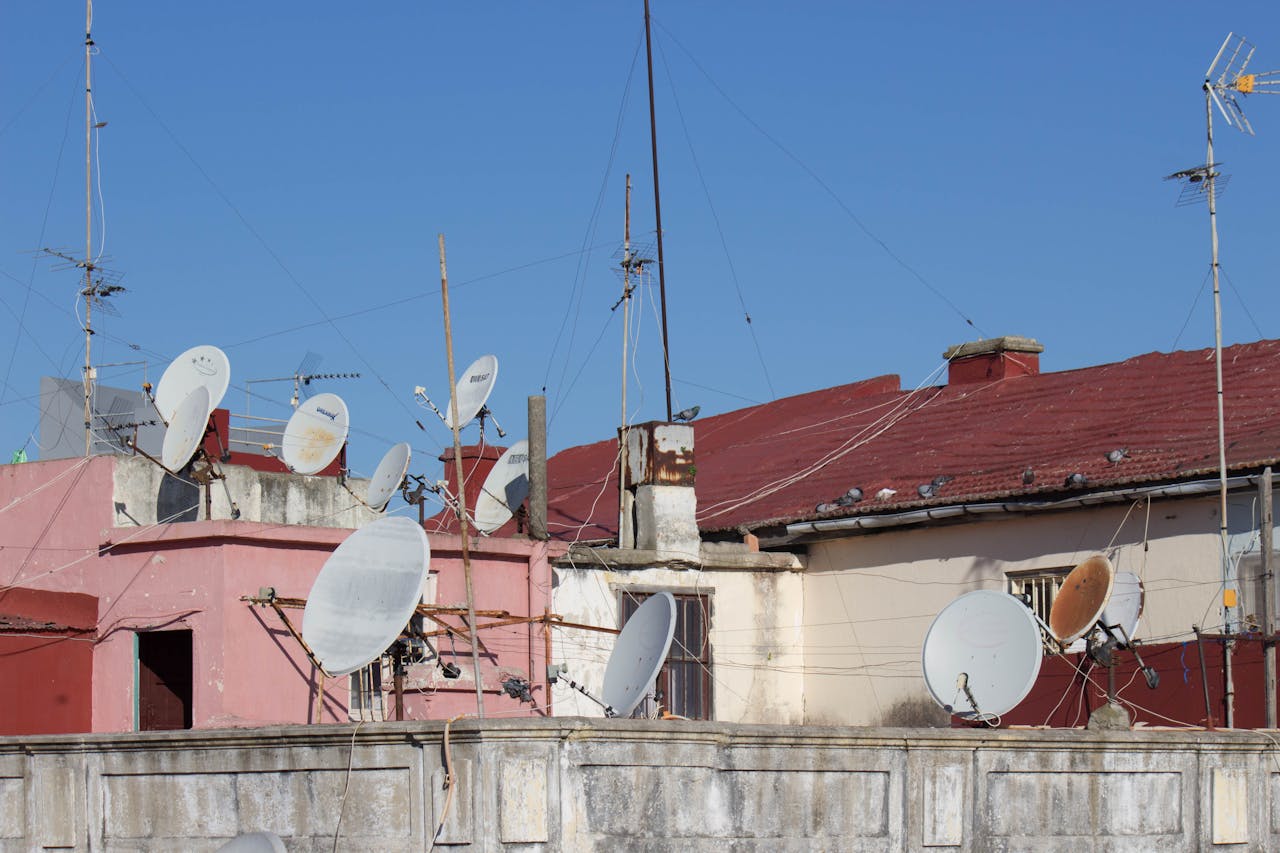
If you look up at your roof right now, you might see a satellite dish or an old antenna perched near the ridge. Most of us never give these mounts a second thought once the technician leaves. However, these small metal brackets are one of the most common culprits behind mysterious attic leaks. If you live in a place with harsh seasons, finding a reliable roof repair layton service is often the only way to fix the mess these antenna mounts leave behind. Understanding why these seals fail can save you thousands in structural repairs.
The Problem With Lag Bolts and Shingles
When a satellite dish is installed, the technician usually drives heavy lag bolts directly through your shingles and into the wooden decking or rafters. This creates a literal hole in your primary line of defense against rain. To prevent leaks, installers use thick mastic or rubber flashing pads. Over time, the constant pressure of the bolt against the shingle causes the material to compress and lose its elasticity. Once that seal is broken, gravity does the rest, pulling water down the threads of the bolt and straight into your home.
Thermal Expansion and Contraction
Roofs are not static objects. They bake in the summer sun and freeze in the winter wind. This causes the metal of the antenna mount to expand and contract at a different rate than the asphalt shingles beneath it. This physical tug-of-war puts immense stress on the caulking or sealant used during the initial setup. Eventually, the sealant becomes brittle and develops microscopic cracks. These tiny fissures might not seem like much, but they are more than enough to let moisture seep in during a heavy downpour or a slow snow melt.
Wind Vibration and Mechanical Stress
Satellite dishes act like small sails. When high winds catch the face of the dish, it creates a significant amount of leverage and vibration at the base of the mount. Even if the bolts were tight on day one, years of vibration can wiggle them loose. As the mount shifts, it tears the waterproof membrane or sealant surrounding the base. This mechanical stress is a silent killer for roof seals because the damage often happens underneath the mounting plate, where you cannot see it until the ceiling in your living room starts to sag.
Poor Initial Installation Practices
Let’s be honest, many satellite installers are focused on signal strength rather than roofing integrity. It is very common to find mounts installed without any “pitch patches” or proper flashing. Some installers simply glob a bit of cheap silicone over the bolt heads and call it a day. Silicone does not bond well to oily asphalt shingles over the long term. Without a high-grade polyurethane sealant or a dedicated mounting sleeve, the installation is essentially a ticking time bomb for your roof’s health.
UV Degradation of Sealants
The sun is incredibly destructive. Constant exposure to ultraviolet rays breaks down the chemical bonds in most standard caulks and rubbers. If the installer used a generic sealant that isn’t rated for high UV exposure, it will eventually turn into a hard, flaky substance that offers zero protection. Once the sealant loses its “squish,” it can no longer bridge the gap between the metal bracket and the roof surface, leaving the entry point wide open for the next storm.
Final Word
Ignoring a satellite mount is an easy mistake to make until the water damage becomes visible. Between the vibration of the wind and the constant baking of the sun, those rubber seals simply aren’t meant to last forever. If you suspect your mount is compromised, calling a professional roof repair layton service can help you identify the leak before it rots out your rafters. Keeping an eye on these small penetrations is the best way to ensure your roof stays dry and your home stays protected for years to come.