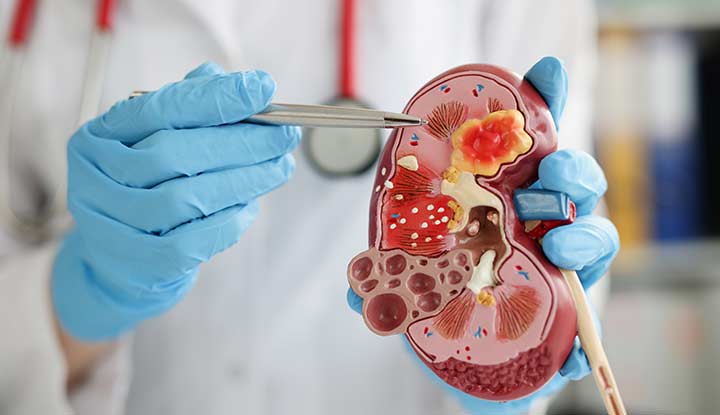
If you’ve ever wondered what is a nefrologist, the short answer is: a doctor who specializes in kidney health. The word comes from Greek — “nephros” meaning kidney and “logos” meaning study. These physicians diagnose and treat everything from chronic kidney disease to electrolyte imbalances.
Why Would You See a Nephrologist?
Most people get referred by their primary care doctor. Common reasons include persistent protein in urine, unexplained swelling, hard-to-control blood pressure, or declining kidney function on blood tests. If your eGFR drops below 30 (stage IV kidney disease), seeing a nephrologist becomes pretty much essential.
You don’t always need a referral though. Risk factors like diabetes, family history of kidney failure, or recurrent kidney stones are solid reasons to book an appointment proactively.
What Is the Difference Between a Urologist and a Nephrologist?
This confuses a lot of people. Nephrologists handle the medical side — they manage kidney disease with medications, dietary changes, and dialysis. Urologists are surgeons who deal with the urinary tract structurally: kidney stones requiring removal, bladder issues, prostate problems. Think of it this way: nephrologist for function, urologist for plumbing.
For kidney stones specifically, you might see both. A nephrologist figures out why you keep forming stones, while a urologist removes them if needed.
What Stage of Kidney Disease Does a Nephrologist See?
According to KDIGO guidelines, referral is recommended at stage III (eGFR below 60) and critical at stage IV-V. A 2021 study in the Journal of the American Society of Nephrology found that early nephrology referral — at least 12 months before dialysis — reduced mortality by nearly 24%.
What Do They Do on a First Visit?
Expect a thorough review of your medical history, current medications and a physical exam. The doctor will likely order blood work (creatinine, BUN, electrolytes), a urinalysis, and possibly imaging like an ultrasound. Bring a list of all your medications, recent lab results, and your blood pressure readings from home if you track them.
Common Conditions They Treat
- Chronic kidney disease (all stages)
- Glomerulonephritis
- Polycystic kidney disease
- Acute kidney injury
- Kidney-related hypertension
- Electrolyte disorders
Nephrologists also manage dialysis — both hemodialysis and peritoneal — and coordinate care before and after kidney transplants.
Nephrologist vs Your Primary Care Doctor
Your PCP handles early-stage kidney issues just fine. Mild CKD with stable labs? Your regular doctor can monitor that. But when disease progresses, when the cause is unclear, or when specialized treatment like dialysis enters the picture — thats when a nephrologist steps in.
FAQ
What drinks are hardest on the kidneys?
Sodas with phosphoric acid, excessive alcohol, and energy drinks high in caffeine and sugar put extra strain on kidneys. Staying hydrated with plain water is always the safest bet.
How do you become a nephrologist?
It takes roughly 14 years: four years of medical school, three years of internal medicine residency, then a two-to-three year nephrology fellowship, followed by board certification.
How to find a good nephrologist?
Check board certification through ABIM, read patient reviews, and ask your PCP for a recommendation. Many nephrologists now offer telemedicine consults too — a trend that grew significantly after 2020.
Final Thoughts
Kidney disease affects about 850 million people worldwide according to the International Society of Nephrology. Yet most cases go undiagnosed until late stages. Knowing when to see a nephrologist — and understanding what they actually do — can genuinely save your kidneys, and your life. Don’t wait for symptoms to get severe; early intervention makes all the difference.