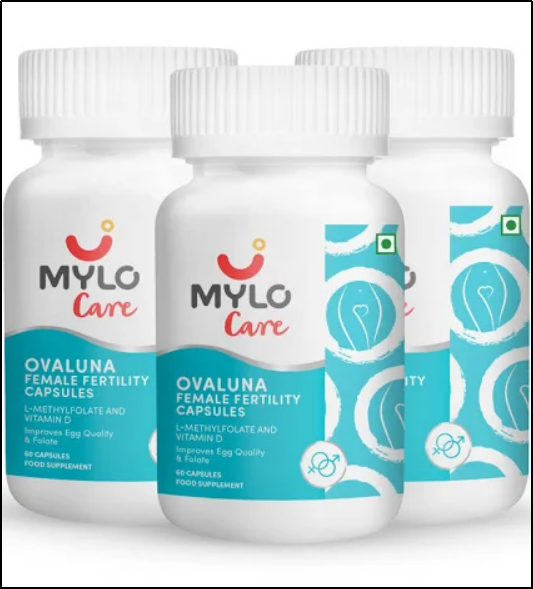
Reproductive health is influenced by a combination of nutrition, lifestyle habits, and hormonal balance. Many women exploring supportive wellness options often come across solutions such as Fertility Tablets, which are designed to complement nutritional intake and help maintain reproductive health. While supplements can play a supportive role, understanding the essential nutrients required by the body remains the foundation of overall reproductive wellness.
A balanced intake of vitamins, minerals, and antioxidants contributes to hormonal stability, supports ovulation, and strengthens the body’s natural ability to prepare for pregnancy. When women focus on the right nutritional elements, they create an environment that promotes better reproductive functioning and long-term well-being.
The Importance of Balanced Nutrition for Reproductive Wellness
Reproductive health depends significantly on the body’s nutritional status. Hormones responsible for ovulation, menstrual cycles, and fertility require adequate vitamins and minerals to function effectively. Without proper nourishment, hormonal fluctuations may occur, affecting reproductive efficiency.
- Balanced Vitamin Intake
Vitamins such as B-complex, vitamin D, and vitamin E play essential roles in reproductive wellness. They assist in hormone regulation, support egg health, and contribute to the body’s metabolic functions. A consistent intake of these nutrients through diet or guided supplementation helps maintain the natural rhythm of reproductive processes. - Mineral Support for Hormonal Function
Minerals like zinc, magnesium, and iron are essential for reproductive health. Zinc supports egg quality and hormone production, while magnesium contributes to metabolic balance and stress regulation. Iron helps maintain healthy blood levels, which is particularly important for women with regular menstrual cycles. - Antioxidants for Cellular Protection
Antioxidants such as selenium and vitamin C protect reproductive cells from oxidative stress. Cellular protection is important for maintaining healthy eggs and supporting the body’s reproductive potential. Nutrient-rich foods like fruits, vegetables, and seeds provide valuable antioxidant benefits.
Key Nutrients That Support Hormonal Stability
Hormonal balance is closely linked to reproductive health. Certain nutrients help regulate hormone production, ensuring that the body functions in harmony. Women who prioritize these nutrients often experience improved overall wellness and reproductive stability.
- Folic Acid for Reproductive Preparation
Folic acid is widely recognized for its importance in reproductive health. It supports cellular growth and development, which is essential during the early stages of pregnancy. For those who may not get enough through diet alone, a folic acid supplement Amazon shoppers can easily find may help support adequate intake. Adequate folic acid intake also contributes to improved egg quality and healthy reproductive functioning. - Omega-3 Fatty Acids for Hormonal Balance
Omega-3 fatty acids support hormonal stability by reducing inflammation and improving blood circulation. These healthy fats also assist in regulating reproductive hormones, creating a more balanced environment for ovulation and overall reproductive wellness. - Vitamin D For Endocrine Health
Vitamin D contributes to endocrine system functioning, which influences reproductive hormones. Adequate levels of vitamin D support ovulatory cycles and help maintain the body’s hormonal equilibrium. Exposure to sunlight, along with dietary sources, can help maintain optimal levels.
Nutritional Considerations for Women Planning Pregnancy
Women who are preparing for pregnancy often focus on improving their nutritional intake to support reproductive readiness. Along with lifestyle changes, some individuals may explore medically guided options such as Tablets to Conceive Pregnancy as part of a broader reproductive health plan.
- Protein Intake for Reproductive Strength
Protein plays a vital role in hormone production and tissue repair. Consuming adequate protein from sources such as legumes, dairy products, and nuts helps maintain reproductive tissue health and supports the body during conception preparation. - Healthy Fats for Hormone Production
Healthy fats derived from foods like avocados, nuts, and seeds contribute to hormone synthesis. These fats assist the body in producing reproductive hormones that regulate ovulation and menstrual cycles. - Complex Carbohydrates for Energy Balance
Complex carbohydrates help stabilize blood sugar levels and provide consistent energy. Balanced energy levels are important for maintaining hormonal stability and supporting the body’s reproductive processes.
Addressing Hormonal Imbalance Through Nutritional Support
Hormonal imbalance can disrupt reproductive health and affect menstrual regularity. Nutritional adjustments, combined with medical guidance, can play an important role in restoring hormonal equilibrium. Women experiencing hormonal challenges sometimes seek supportive approaches such as PCOS hormonal imbalance treatment as part of their overall wellness strategy.
- Dietary Fiber for Hormonal Regulation
Fiber supports the body’s ability to regulate hormones by improving digestion and metabolic balance. Foods rich in fiber, including whole grains, fruits, and vegetables, help maintain stable hormone levels and support reproductive health. - Magnesium and Stress Reduction
Magnesium contributes to relaxation and supports the nervous system. Since stress can influence hormone production, maintaining adequate magnesium intake helps create a more balanced internal environment for reproductive functioning. - Antioxidant Rich Foods for Hormone Support
Antioxidants protect the body from oxidative stress, which can interfere with hormone balance. Nutrient-dense foods containing antioxidants help maintain reproductive health by supporting cellular stability and hormone production.
Fertility Health Support Begins with Mylo Pregnancy App
Starting a fertility journey becomes easier with the right guidance and tools. The Mylo Pregnancy App is designed to support individuals and couples with reliable information, health tracking, and expert-backed fertility insights.
With the Mylo Pregnancy App, users can track ovulation cycles, explore reproductive health tips, and access a supportive parenting community. The app provides personalized guidance, nutrition advice, and useful resources that help parents stay informed and confident while planning for pregnancy and building a healthy path toward parenthood.
Conclusion
Supporting reproductive health involves a thoughtful combination of nutrition, balanced lifestyle habits, and informed wellness choices. When women focus on essential nutrients that strengthen hormonal stability and reproductive function, they create a strong foundation for long-term well-being. Nutritional awareness, combined with appropriate guidance, allows individuals to make informed decisions that support their reproductive journey.
For women seeking additional nutritional support alongside a healthy lifestyle, thoughtfully formulated options such as Mylo Fertility Capsules can complement wellness routines. Backed by the trusted parenting and wellness platform Mylo, such solutions reflect a supportive approach to women’s reproductive health while encouraging informed, balanced care.