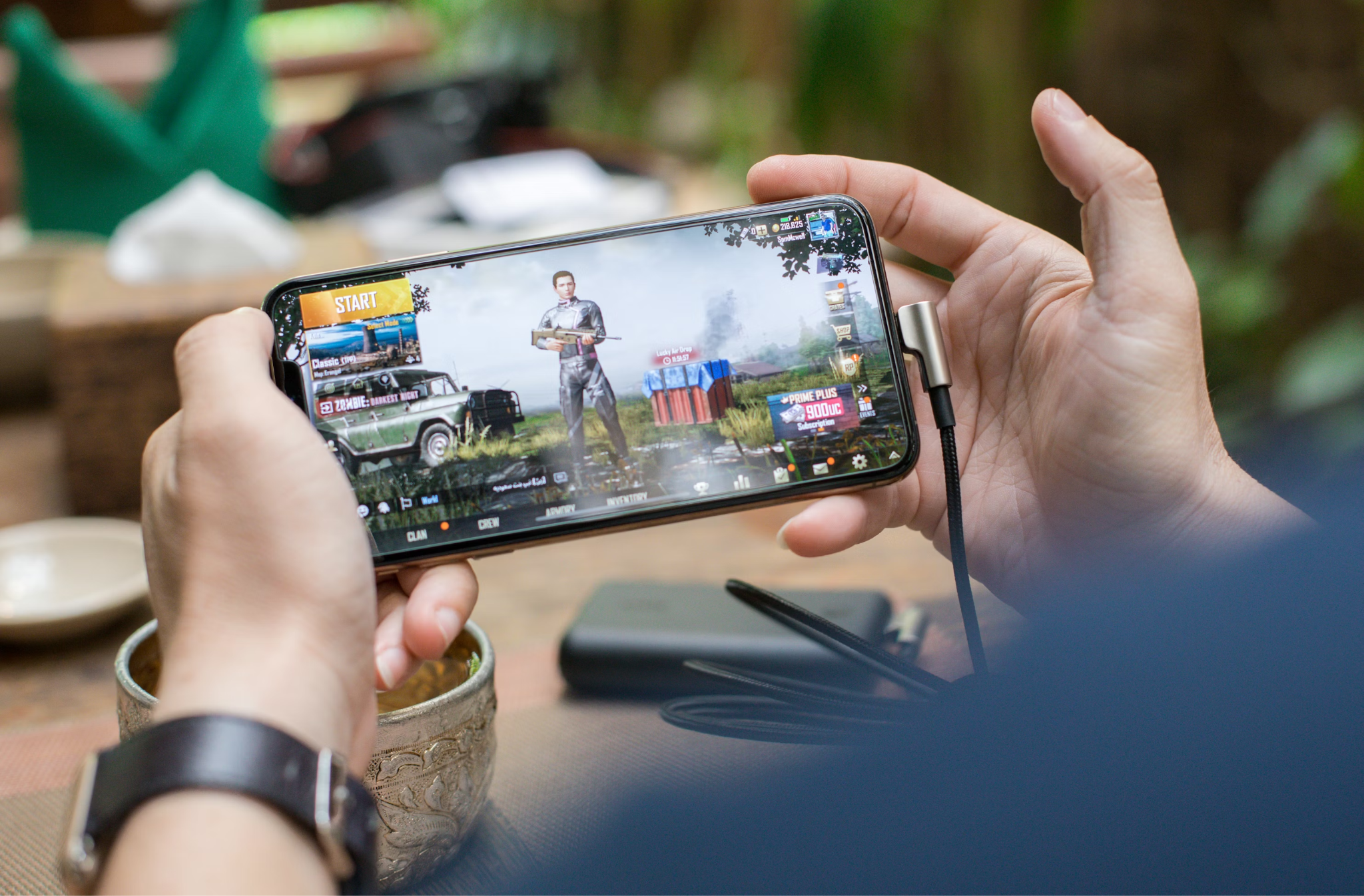
Handheld entertainment once meant pixelated puzzles and five-minute distractions; today’s mobile titles stream stadium-level graphics and host international tournaments. Faster chipsets, cloud rendering, and adaptive control schemes have converged to turn smartphones into fully fledged platforms that command billions of play hours.
Market reports released by CroreWin official reveal that competitive shooters and sprawling role-playing adventures on phones regularly surpass console launches in revenue during comparable windows. This surge indicates a structural shift driven by convenience, pricing models, and global connectivity rather than novelty alone.
Hardware Evolution Shrinks the Power Gap
Mobile processors now integrate multi-core GPUs, ray-tracing units, and advanced cooling solutions. Frame rates once locked at 30 now glide past 90 on flagship devices, while mid-tier handsets handle physics engines that rival last-generation consoles. Meanwhile, 5G bandwidth and edge data centers allow cloud services to offload demanding calculations, streaming fully rendered scenes back to screens within milliseconds.
Touch interfaces initially hindered precision required for shooters or racing simulations. Adaptive triggers, motion-sensing gyroscopes, and clip-on controllers filled that gap, giving smartphone users tactile feedback previously reserved for dedicated rigs. The result feels familiar to long-time console fans yet remains accessible to newcomers without major investment.
Economic Models Attract Wider Audiences
Premium console releases frequently cost half a week’s salary in emerging economies. Mobile ecosystems flipped that script through free-to-start access coupled with cosmetic microtransactions. Players sample content without risk, then choose optional upgrades. Subscription passes bundle curated libraries for monthly fees lower than a single boxed disc. These tiers democratize participation, driving massive install bases that justify ongoing content updates.
Traditional platforms respond by offering digital storefront discounts and cloud bundles; however, the zero-cost entry of mobile titles keeps lowering barriers. Brands leverage seasonal events, live broadcasts, and in-game merchandise drops to sustain excitement comparable with blockbuster film premieres.
Social Integration Fuels Retention
Smartphones double as communication hubs, blending voice chat, instant messaging, and livestream viewers within a single app. Friends share match replays through story posts, coordinate tactics inside encrypted group chats, and tip streamers using integrated wallets. This seamless loop between play and social expression magnifies word-of-mouth growth that advertising budgets struggle to replicate.
Regional language support and lightweight file sizes invite participation from rural zones where expensive consoles remain rare. Cross-platform matchmaking further blurs boundaries, letting a tablet user assist a PC teammate or challenge a console rival without friction.
Comparative Snapshot: Mobile Strengths vs Traditional Platforms
| Key Factor | Mobile Advantage | PC & Console Challenge | Illustrative Example |
| Entry Cost | Free download, optional cosmetics | Upfront hardware plus title purchase | Battle royale with 100M installs in first month |
| Portability | Play during transit or breaks | Restricted to living room or desk | Puzzle session starts on train, ends at home |
| Update Cadence | Weekly patches via app stores | Larger file sizes slow rollouts | New map downloads in under two minutes |
| Social Tools | Built-in voice, video, sharing | External software required | One-tap invite through contact list |
| Monetisation Flexibility | Tiered passes, ad rewards | Primarily premium sales | Seasonal skin bundle funds e-sports prize pool |
Esports Legitimise Pocket Competition
Tournament organisers now stage arena events that project smartphone screens onto giant displays while casters narrate rapid-fire plays. Prize pools backed by telecom sponsors rival those of desktop leagues; victory highlights trend across short-form video platforms, inspiring fresh talent pipelines. Schools and community centers adopt mobile titles for extracurricular programs due to minimal equipment budgets, further embedding handheld contenders into mainstream consciousness.
Critics once questioned depth available on pocket hardware. Strategic diversity, balancing patches, and spectator modes now silence scepticism. Detailed analytics dashboards track player performance, enabling coaching frameworks identical to professional PC franchises.
Developer Perspective: Unified Codebases and Global Reach
Engine middleware offers one-click export to iOS, Android, and progressive web apps, streamlining release cycles. Studios previously required separate teams for console certification; current workflows target mobile first, then upscale textures for large-screen editions. In certain genres, revenue percentages justify this inversion: puzzle or idle simulators secure profitability solely through handheld audiences, allowing experimental spinoffs on higher-spec machines later.
Localization pipelines leverage AI-assisted translation to ship simultaneous global launches. Cultural consultants adjust artwork and event timing for regional holidays, creating inclusive environments that encourage organic community stewardship.
Looking Ahead: Convergence, Not Replacement
PCs and consoles still dominate ultra-high-fidelity experiences with ambitious open worlds and complex mod ecosystems. Yet distinctions continue to blur. Handheld docking cradles mirror screens onto 4K televisions; cloud saves let progress hop between devices; augmented-reality overlays hint at mixed-media futures untethered from any single format.
Consumer choice ultimately benefits. Enthusiasts assemble desktops for ray-traced epics, then unwind with cooperative mobile quests during commute hours all within the same franchise universe. Publishers diversify risk, allocating budgets across segments rather than betting exclusively on tent-pole launches.
Conclusion: Power in the Pocket
Mobile online games earn competitive status by solving pain points cost, convenience, and connectivity while steadily closing performance gaps. Hardware strides, flexible monetisation, and integrated social loops create an ecosystem that welcomes both seasoned strategists and first-time players. Far from signalling the end of consoles or PCs, handheld ascent pushes the entire industry to innovate, ensuring audiences everywhere can access immersive worlds whether seated at a desk or standing in a queue.