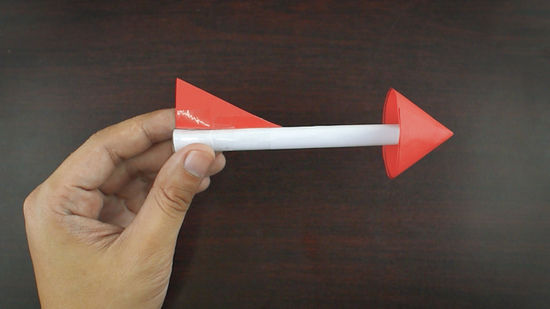
A small paper rocket sitting on a desk could be the opening of a surprisingly lively video. I picture a blue cone, a folded orange flame, and a sheet of dark card covered with hand-drawn stars. The aim would be a short maker-club invitation, beginning with something children could recognize as handmade and ending with the rocket passing a bright paper moon. The craft would remain visibly a craft throughout.
My starting material would be a photograph of the finished model, taken against a simple background with soft light from one side. I would also keep a wider picture showing the cardboard launch platform. These pictures have different jobs: the close view establishes the rocket’s shape, while the wider one describes the little world it inhabits. Trying to make one crowded photograph communicate everything would weaken both.
The interesting question is how that still arrangement becomes a moving scene. With seedance 3.0, text, images, video, and audio can contribute to a video-generation brief. For this example, I would start with the rocket photograph and a written description of one gentle lift. A motion reference could enter later if the camera’s movement needed more explanation. More inputs should clarify the idea, rather than compete for attention.
Keep the handmade character visible
I would resist describing the scene as a realistic space launch. That phrase suggests metal surfaces, smoke, and a huge landscape, all of which would pull the result away from the club’s actual activity. Instead, my brief would describe creased card, a slightly uneven painted edge, and an orange paper flame that remains attached beneath the rocket. Those imperfections are part of the invitation: this is something a visitor might make.
The first shot would sit at desk level. The rocket occupies the right third of the frame, leaving a broad dark area on the left for a title added during editing. I would make the launch platform large enough to read immediately, but leave scissors and glue outside the shot. Those objects belong in the real workshop footage that might follow; introducing them here would make the miniature set harder to understand.
For the initial Seedance 3.0 generation, the action would be modest: the rocket rises slowly, pauses above its platform, and tilts a little toward the paper moon. The camera stays almost still. This gives the model a clear relationship between subject and setting, and gives me a useful first question to answer when reviewing the result: does the object still look like the photographed craft after it begins to move?
Describe a shot that has somewhere to go
A proposed prompt could read: “A handmade blue paper rocket rests on a cardboard platform against a dark paper sky. Soft light comes from the left. The rocket gently lifts away from the platform, keeping its folded orange paper flame and visible card texture. The camera holds a low, steady view as the rocket drifts toward the upper right. Leave the left side of the frame uncluttered.” This is a direction for a scene, not a guarantee of the result.
I would keep the ending in mind before adding more movement. If the rocket exits completely, the final frame may feel empty. A better finish might hold it beside the moon, leaving a brief quiet moment for the invitation text. That pause would also make the clip easier to combine with a separate shot of hands assembling the craft. The two images would share an object, even though one is imagined and the other is documentary.
Image-to-video would be my first route because the physical rocket already exists. A text-only exploration in Seedance 3.0 could still help if I needed to imagine different backgrounds before building the miniature set. I would treat those exploratory scenes as sketches. Once I chose a direction, I would return to the actual craft photograph so that the invitation did not advertise a design the club would never teach.
Give references specific responsibilities
If the first version felt too static, I might record a simple sideways camera move past the desk. The reference clip would communicate the speed and distance of that movement, without asking it to supply a new rocket design. The still photograph would continue to define the subject. Explaining these separate roles in the brief would be more useful than uploading several attractive clips and hoping their strongest qualities happened to combine.
Sound could be equally restrained. I imagine a short original recording of a finger brushing across thick paper, followed by a soft wooden tap as the rocket reaches the moon. An audio reference could guide the mood of a later Seedance 3.0 attempt. I would avoid a roaring engine: the visual joke depends on a tiny, quiet object behaving as though it can travel through space. The sound should help that scale feel intentional.
Not every available input needs to appear in the first Seedance 3.0 attempt. I would add the motion reference only to solve a camera problem, and the sound reference only once the visual sequence had a workable rhythm. That sequence of decisions makes revisions easier to interpret. If I changed the lighting, camera movement, object description, and audio together, a better result would tell me very little about which change had helped.
Repair the movement rather than hide it
The most likely creative problem would be an overly dramatic launch. If the card became shiny or the flame turned into fire, I would simplify the action and reinforce the physical materials. A lower lift with a fixed camera could restore the charm more effectively than adding a longer paragraph of prohibitions. I would compare the opening and closing frames beside the original photograph, paying particular attention to the cone and folded edges.
Another possible problem is that the moon appears to move along with the rocket. In that case, the next Seedance 3.0 brief would specify a fixed background and one moving subject. I would remove any camera drift until that relationship was clear. The goal is not to keep every flourish from the first idea. It is to get a readable little event: the rocket leaves one place and arrives at another.
I would set aside a small number of alternatives for this revision stage, then choose the version with the clearest action. A beautiful frame is not enough if the transition into it feels confusing. Watching once without sound, and once while looking only at the silhouette, would help reveal whether the movement communicates independently of decorative detail.
Finish an invitation people can actually read
In the final edit, I would add the club name and meeting details as ordinary text layers, using the empty area planned at the start. This keeps dates and spelling under direct control. The generated scene would supply atmosphere and movement; the editor would handle precise typography and the transition to any real workshop footage. I would leave a short hold at the end so viewers could read without pausing.
The completed piece would be a small imagined journey grounded in a real craft. Seedance 3.0 would serve that specific visual idea, while the photographed materials and deliberate editing would keep it recognizable. If the paper folds remain visible, the lift feels gentle, and the invitation is readable, the clip has done its job. A rocket does not need a spectacular explosion to make someone curious about building one.